
GLOBAL IMMIGRATION CRISIS: SHEDDING LIGHT ON THE COMPLEX ISSUES
In the 21st century, immigration and refugee movements have become defining features of global geopolitics, humanitarian policy, and social transformation. Wars, persecution, economic disparity, climate change, and political instability have pushed millions to leave their homelands in search of safety, opportunity, and dignity. While migration has been a part of human history, the scale and complexity of contemporary movements present unique challenges and opportunities for the global community.
Immigration, deportation, and the refugee crisis are deeply interconnected issues that define the modern era of globalization. These phenomena are shaped by historical legacies, political decisions, economic disparities, and urgent humanitarian concerns. As borders become both more contested and more porous, understanding these complex dynamics is crucial for forging effective, just, and humane policies.
In the ever-evolving journey of life, one of the most universal human experiences is the longing for a place to belong — a place where we are seen, valued, and at peace. This deep desire often extends beyond the walls of the house we grew up in or currently reside. It becomes a search for a “home” that transcends physical boundaries. The idea of “Searching for a Home Outside Our Homes” explores this emotional and spiritual quest, a pursuit of connection, purpose, and belonging in a world that is constantly shifting.
The Global Immigration of People:
Human migration is not a new phenomenon. Throughout history, people have moved in search of better opportunities, safety, and freedom. Today, however, the scale and urgency of migration have increased significantly. According to the United Nations, over 280 million people live outside their country of birth, while tens of millions more are forcibly displaced due to conflict, persecution, and environmental disasters.
Immigration is often driven by "push" factors—such as war, poverty, or environmental degradation—and "pull" factors, including job opportunities, safety, and family reunification. Receiving countries are frequently unprepared for sudden or large influxes, which leads to political tensions, strained resources, and debates about national identity and integration.
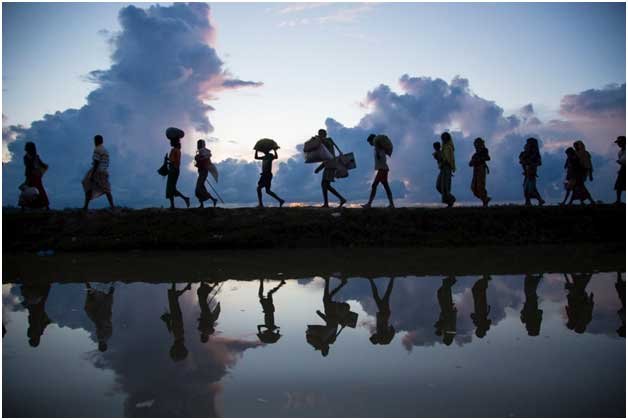
Deportation: A Controversial Response
Deportation—the forced removal of non-citizens—has become a central feature of many immigration enforcement systems, particularly in wealthier countries like the United States, the United Kingdom, and members of the European Union. Governments justify deportations as necessary for upholding immigration laws and protecting national security. However, critics argue that deportations often disproportionately target marginalized communities, break apart families, and fail to address the root causes of migration.
Deportation policies also raise legal and ethical concerns. Many individuals facing removal are long-term residents with deep ties to their host countries. Some are deported to nations where they face violence, persecution, or severe poverty. Legal processes can be opaque and unequal, with migrants frequently lacking access to proper legal representation or appeal mechanisms.
THE SCALE OF THE CRISIS:
According to the United Nations High Commissioner for Refugees (UNHCR), over 110 million people worldwide were forcibly displaced by mid-2023 — the highest number in recorded history. This includes refugees, internally displaced persons (IDPs), and asylum seekers. The destruction of Gaza by Israel, the Syrian civil war, the Russian invasion of Ukraine, the crisis in Afghanistan, instability in the Sahel region of Africa, and the Rohingya persecution in Myanmar have significantly contributed to these figures.
The refugee crisis represents one of the most visible and urgent challenges within global migration. Refugees are individuals who are forced to flee their home countries due to war, persecution, or violence, and are protected under international law, particularly the 1951 Refugee Convention. As of 2025, there are over 35 million refugees worldwide, with major crises in Syria, Afghanistan, Venezuela, Myanmar, and parts of Africa. Hosting refugees places significant pressure on neighboring countries, often low- or middle-income nations with limited resources. Meanwhile, wealthier nations have been criticized for failing to do their fair share, setting restrictive quotas, or turning away asylum seekers under questionable legal pretexts.
The crisis is further exacerbated by xenophobia and political populism, which frame refugees as threats rather than as people in need of protection. Yet research consistently shows that, when properly supported, refugees can contribute positively to their host communities—economically, culturally, and socially. Additionally, economic migrants — those fleeing poverty, unemployment, and lack of opportunity — account for a large portion of global migration, particularly toward more developed countries in North America, Europe, and the Gulf states.
Key Drivers of Forced Migration:
1. Armed Conflicts and Persecution: Wars and violence remain the most immediate causes of displacement. Ethnic cleansing, religious persecution, and political oppression have driven entire communities into exile.
2. Economic Inequality: Global wealth disparity drives many people to migrate for better living conditions, jobs, and education. Remittances sent by migrants are often lifelines for their families in developing countries.
3. Climate Change: Rising sea levels, droughts, floods, and other extreme weather events are creating "climate refugees." Areas in South Asia, Sub-Saharan Africa, and small island nations are particularly vulnerable.
4. Political Instability and Governance Failures: Corruption, failed states, and lack of rule of law push citizens to flee in search of safety and justice.
Regional Hotspots of Refugee Crisis:
- Middle East and North Africa (MENA): Ongoing instability in Syria, Yemen, and Libya has created prolonged humanitarian emergencies.
- Sub-Saharan Africa: Protracted conflicts in the Democratic Republic of Congo, South Sudan, and the Horn of Africa have caused widespread displacement.
- Latin America: Violence and economic hardship in Venezuela and Central America have spurred mass migrations toward the United States.
- Asia: The Rohingya crisis and the fall of Afghanistan have contributed to significant refugee movements.
The Home We Leave Behind: Without Us No More Us
Home is not just a physical location; it's a feeling. It’s the familiar smell of childhood meals, the sound of laughter echoing through family rooms, the quiet understanding of people who’ve watched us grow. But as we mature, circumstances like education, career, relationships, war, migration, or personal growth often lead us to leave our physical homes in pursuit of something greater — or simply something different. Leaving home, whether voluntarily or by necessity, creates a void. It is this emptiness that propels the search for a new kind of home — one that can provide not just shelter, but also comfort, identity, and peace of mind. Many people move to new cities or countries hoping to find better opportunities or a more accepting environment. Others leave toxic relationships or limiting communities in search of healing and freedom. This journey, though brave, is often accompanied by loneliness, identity struggles, and the burden of starting over.
In our quest to build a new home, we’re not always looking for a house or apartment. We’re searching for community, for people who understand us, for work that fulfills us, and for environments that allow us to grow without fear. We’re searching for a place — physical or emotional — where our authenticity is embraced. Home, at its deepest level, is a state of being. It is the feeling of being whole and grounded, regardless of location. For some, this is found in friendship circles that become chosen families. For others, it’s found in spiritual practices, meaningful work, or creative expression. Some find it in activism, in helping others, or in exploring the world.
As we search for home outside of our original homes, we begin to redefine what home means. It's no longer just four walls and a roof — it's a place within ourselves that we carry everywhere. It’s found in the peace we cultivate, the love we give and receive, and the purpose we live by. The search is not without its challenges. Culture shock, language barriers, discrimination, and emotional displacement are common hurdles for those who physically relocate. Emotionally, the pain of detachment, homesickness, or never quite fitting in can haunt even the most adventurous soul. However, these struggles also refine our understanding of home. They teach us resilience, empathy, and the importance of building inclusive spaces not just for ourselves but for others on similar journeys.
As more people move, migrate, or evolve past their places of origin, society must recognize and support this search. Welcoming communities, inclusive policies, and intentional connection can help others feel at home — even if they come from miles away or carry stories of struggle. Each of us has the power to help someone feel at home, simply by offering kindness, listening with compassion, or opening our hearts and doors. In doing so, we not only help others but also enrich our own sense of home.
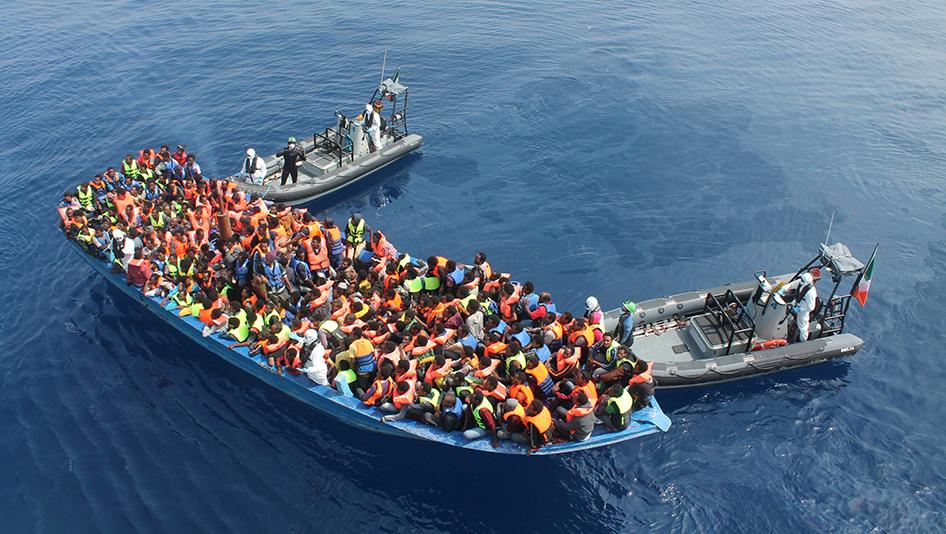
Impact of Refugee Crisis on Host Countries:
While immigration can revitalize economies and address labor shortages, it also poses logistical, economic, and political challenges for host nations. Issues such as overburdened asylum systems, integration difficulties, xenophobia, and political backlash have led to polarized immigration debates in many Western democracies.
At the same time, many countries have shown remarkable solidarity. For example, nations like Germany, Uganda, and Turkey have hosted millions of refugees, often with limited resources.
International Response and Policy Gaps:
Global frameworks like the 1951 Refugee Convention and the Global Compact on Refugees provide legal and policy guidance, but implementation remains uneven. Developed countries are frequently criticized for inadequate burden-sharing and restrictive asylum policies. There is also a need for stronger legal recognition of climate-induced displacement.
Humanitarian agencies such as UNHCR, the International Organization for Migration (IOM), and NGOs play vital roles in providing emergency aid, shelter, and resettlement assistance, but face chronic underfunding and political constraints. To effectively manage the crisis, a multifaceted approach is necessary:
Comprehensive International Cooperation: No single country can address global migration challenges alone. Coordinated international efforts are essential for sharing responsibility, funding humanitarian relief, and ensuring the protection of vulnerable populations. Fairer burden-sharing, coordinated resettlement programs, and shared responsibilities are essential.
- Address Root Causes: Investing in development, conflict prevention, climate adaptation, and governance reforms in source countries can reduce the pressures that drive people to flee in the first place. Long-term solutions must involve conflict resolution, development aid, climate adaptation, and support for democratic governance in origin countries.
- Legal Reform: Immigration and asylum systems must prioritize fairness, due process, and the dignity of individuals. This includes providing legal pathways to regularization, offering temporary protection, and limiting the use of detention and deportation. Updating international legal frameworks to address modern displacement drivers — especially climate change — is crucial.
- Integration and Inclusion: Host countries should invest in inclusive policies that promote education, employment, and community integration for migrants and refugees. Dispelling myths about migrants and refugees through education and public discourse can reduce xenophobia and build social cohesion.
Between You and I: Anybody Can Be A Refugee Anywhere, Anytime, Anyhow, Caused by Anything
The global immigration and refugee crisis is not merely a humanitarian challenge; it is a test of international solidarity, political will, and human compassion. While the scale of displacement may seem overwhelming, history shows that inclusive and pragmatic responses can transform crisis into opportunity. The 21st century demands not isolationism, but a reaffirmation of shared human values and coordinated global action.
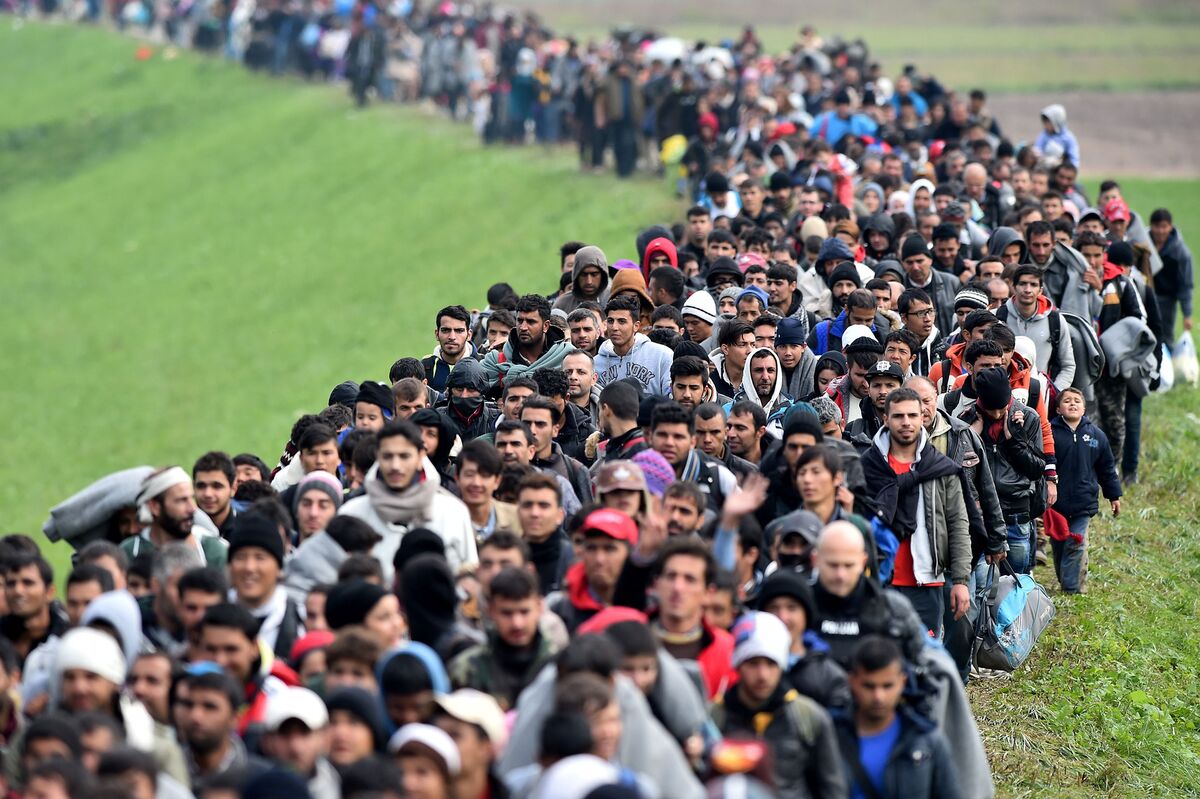
The challenges of immigration, deportation, and the refugee crisis are not merely policy issues—they are human stories of resilience, suffering, and hope. As global migration continues to rise, nations must confront these issues not with fear and exclusion, but with empathy, responsibility, and a commitment to shared humanity. Only through such an approach can we hope to create societies that are both secure and compassionate, both orderly and inclusive.
The journey of searching for a home outside our homes is deeply human. It's a pursuit of identity, healing, purpose, and peace. While the road may be long and filled with uncertainty, it also holds the potential for profound transformation. Because in the end, the home we find — or build — may be even more meaningful than the one we left behind. We are all wanderers in some way, seeking connection in a disconnected world. But with hope, courage, and community, we can each find or become a home — for ourselves and for others.
The global immigration crisis is not a problem that any one nation can solve alone. It requires a coordinated, ethical, and forward-looking response that balances national interests with global solidarity. Solutions must be rooted in justice, equity, and human dignity, reflecting our shared responsibility for the well-being of all people, regardless of origin. Only when the international community embraces the mindset that migration is not a threat but a shared reality—can we move from crisis management to long-term transformation. The time to act, together and decisively, is now.
VICTOR EMEKA CHIBUIKEM
GLOBAL SCHOOLS ADVOCATE
CIVIC EDUCATION TEACHER
X: @VICTORVIRI


